

Key Takeaways
- Binocular vision dysfunction (BVD) happens when your eyes struggle to work as a team and send one clear image to the brain.
- Headaches, dizziness, blurry or double vision, reading trouble, and anxiety in busy places can all be signs.
- BVD can look like dyslexia, attention issues, migraines, or anxiety.
- Clear 20/20 sight doesn’t rule out an eye teamwork problem.
- A functional vision evaluation can help sort out what’s going on.
Your child reads the same line 3 times and still loses their place. Or maybe you’ve felt dizzy and off balance ever since a fall. At Belle Vue Specialty Eye Care in Hattiesburg, our team often hears stories like these from families and adults who have spent a long time searching for answers.
Common symptoms of binocular vision dysfunction (BVD) to watch for include headaches and neck pain, dizziness and balance issues, blurry or double vision, trouble with schoolwork and focus, and anxiety in busy or bright places. Spotting these signs is a helpful first step, and our practice’s vision therapy services can help you manage them.
What Is Binocular Vision Dysfunction?
Binocular vision means both of your eyes work together as a team. With binocular vision dysfunction (BVD), your eyes struggle to send one clear image.
BVD can affect kids, teens, and adults of any age.
What Can Contribute to BVD?
BVD can show up for a few different reasons. Eye alignment issues, like crossed eyes, can play a part. A concussion, stroke, or other brain injury can also be involved. Oftentimes it is much more subtle than this, and the origin is unknown. This is why a functional visual evaluation is key to diagnosing BVD.
Is BVD the Same as Lazy Eye?
Lazy eye, medically known as amblyopia, is a condition in which vision in one eye does not perceive a clear image. This can be caused by a significant prescription difference between each eye, an eye turn, or undetected ocular disease from an early age. Binocular vision dysfunction (BVD), on the other hand, refers to problems with how the eyes work together. Often times patients have “20/20” eyesight, but the two eyes do not operate as a team, but prefer to operate independently of each other.
Although these conditions are different, they can sometimes be related, particularly when eye misalignment is involved. Early evaluation and treatment can make a meaningful difference in a child’s visual development.
Physical and Visual Signs of BVD
Headaches and Neck Pain
Extra eye effort can strain nearby muscles. You may notice these signs in yourself or your child:
- Aches build in the neck, shoulders, or back.
- Headaches show up during or after close work.
- The head tilts to one side to see more comfortably.
Dizziness, Balance Issues, and Motion Sickness
You might feel steady one minute and woozy the next. Watch for these signs:
- Dizzy spells or lightheadedness come and go.
- Walking drifts to one side, or you bump into door frames.
- Car rides bring on queasiness or nausea.
Blurry Vision, Double Vision, and Depth Trouble
For a young athlete, a missed catch might seem like a skill issue. Sometimes it’s a vision issue instead. Look for these signs:
- Text blurs up close, on screens, or in dim light.
- Images look doubled or shadowed.
- Judging distance, catching, or throwing a ball feels hard.
Schoolwork, Focus, and Everyday Signs of BVD
Trouble with Schoolwork and Focus
Homework time can turn into a nightly struggle. You might see these signs at the kitchen table:
- Your child skips words, loses their place, or reads with a finger.
- Words seem to float or run together on the page.
- Eyes get tired and attention fades after a few minutes.

Anxiety in Busy or Bright Places
A trip to the grocery store can feel like too much. These signs can show up in daily life:
- Crowds, stores, or malls feel overwhelming.
- Eye contact feels hard to hold.
- Driving or playing sports brings on worry.
What Can BVD Be Mistaken For?
BVD signs overlap with several other conditions. Here are a few ways the overlap can show up:
- Reading struggles can look like dyslexia or other learning challenges.
- Trouble staying on task can look like attention deficit hyperactivity disorder (ADHD) or other attention issues.
- Headaches, dizziness, and worry in crowds can look like migraines, vertigo, or anxiety.
Why 20/20 Vision Doesn’t Rule Out BVD
Your child may have passed a vision check at school. Those checks mostly test how clearly your child sees letters on a chart across the room. However, they don’t show how well both eyes team up on a page up close.
Finding an eye teamwork problem may take a few different tests. Answers can take time, and you’re doing the right thing by looking for them.
How Vision Therapy in Hattiesburg Can Help
What Happens at a Functional Vision Evaluation?
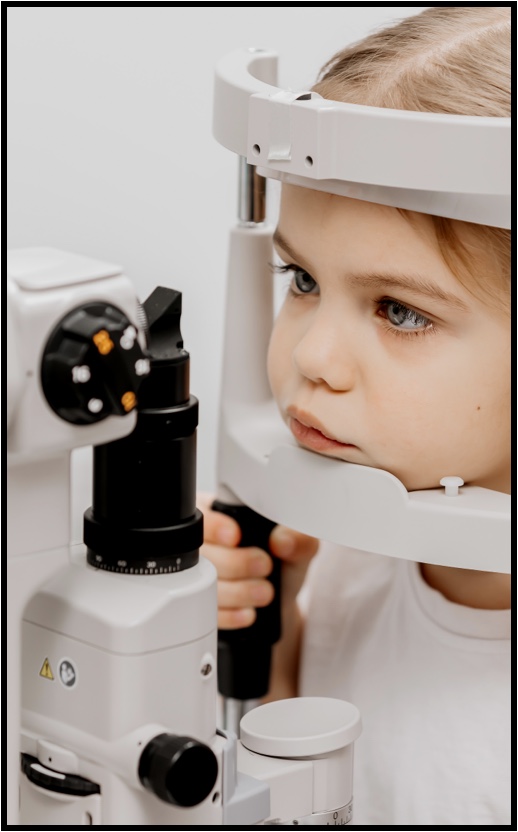
A functional vision evaluation looks at how both of your eyes work together. It helps sort BVD from look-alike conditions.
You also get time to share your concerns or your child’s. Your eye doctor wants to hear about the homework battles, the dizzy spells, and anything else you’ve noticed.
Specialty Lenses and Vision Therapy Options
Specialty lenses may be part of your plan. Vision therapy is another option. It’s a custom program of eye activities built around your needs.
The goal is more comfort in daily life. Progress varies from person to person, so our team sets realistic expectations with you from the start. Our goal is to meet your needs, whatever they may be.
Next Steps for You and Your Family
Start by jotting down the symptoms you see at home or school. A few notes about when headaches hit or when reading falls apart can help your eye doctor see the full picture.
If these signs sound familiar, you don’t have to keep guessing. Take our Vision and Learning quiz to find out if you could potentially have a functional visual disorder keeping you from reaching your full potential. If you are ready to take the first step to success, book a vision therapy evaluation with Belle Vue Specialty Eye Care and take the first step toward clearer answers for you or your child.